According to Forbes, in an age when AI, automation, and behavioral analytics are rapidly transforming our digital landscape, securing critical systems has never been more complex. Yet recent analyses show that, no matter how advanced our technology becomes, one truth remains: human beings and the trust relationships between them stay at the heart of cyber resilience.
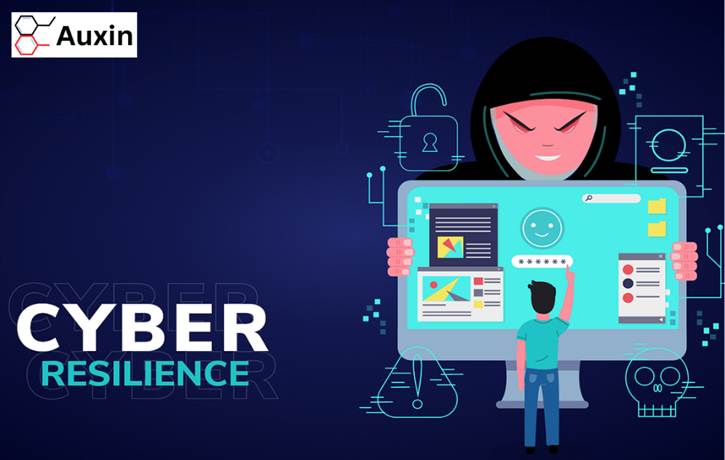
Reality: Human Error Still Drives Most Breaches
Recent data paints a stark picture. According to a 2025 report cited by Chuck Brooks, human errors, ranging from credential misuse to careless behavior, accounted for 95% of data breaches.
Similarly, another security analysis found that 64% of cyber incidents over the past two years involved employee-related mistakes, such as misconfigurations, phishing, or accidental data leaks.
What does this tell us? No amount of encryption, firewalls, or AI-based defenses can eliminate risk when human behavior, trust, awareness, mistakes, and complacency remain a weak link.
Trust: A Strategic Foundation
When we think about cybersecurity, it’s easy to focus solely on technical defenses. But as Brooks argues, trust isn’t optional; it’s a foundational element that underpins digital security across organizations, supply chains, and even national defense contexts.
- Trust matters within teams, between employees, contractors, and leadership. Human error often stems from miscommunication, shortcuts, or a lack of accountability.
- Trust matters between organizations and the public, especially when sensitive data or critical infrastructure is involved. Once confidence is shattered, technical fixes alone cannot rebuild it.
- Trust matters systemically, across layers of governance, culture, training, and leadership. For resilience, organizations cannot simply plug in security tools; they must build a culture in which cyber judgment sounds second nature.
As Brooks puts it, cybersecurity has evolved from a technical niche into an essential component of national resilience, and trust must be treated as part of that strategic infrastructure.
Beyond Tools: The Socio-Technical Approach to Resilience
Recent research in cybersecurity underscores a shift in thinking: resilience requires integration of technology and human-centric strategies, not one or the other.
Key insights from this body of work:
- Human behavior is not just a vulnerability; it’s a defense vector. Employees who are security-aware, vigilant, and well-trained are often the first, and sometimes the only, line of defense against phishing, social engineering, and insider risk.
- Organizational culture matters enormously. Policies, leadership, communication, and even workload can influence whether security procedures are followed or bypassed.
- Ethics, transparency, and human-centered design in tech matter. AI-driven tools can enhance visibility and automate threat detection, but to be effective (and trusted), they must embed human oversight, respect privacy, and align with the values and behaviors of their users.
- Continuous learning and adaptability are essential. Threats evolve, and so should the means of defending them. Awareness training, behavioral analytics, and adaptive security policies help maintain resilience over time.
The AI Era: New Risks, Greater Need for Judgment
As artificial intelligence becomes more ubiquitous, for threat detection, automation, anomaly hunting, or even identity verification, we must recognize both its power and its dangers. As Brooks warns, adversaries are increasingly exploiting AI capabilities to launch sophisticated attacks, craft deceptive deepfakes, or manipulate human cognition.
This makes “cyber judgment” the human capacity to interpret, evaluate, and verify, more critical than ever. Security leaders cannot treat AI deployment as a panacea; they must embed it within ethical, transparent, and human-aware systems. As some researchers argue, the future of cyber defense lies in intelligent human–AI collaboration: machines handle pattern detection and speed, while humans provide context, ethics, and oversight.
What Organizations (and Individuals) Should Do
Based on insights from Brooks’s article and broader cybersecurity scholarship, here’s a roadmap for building real cyber resilience:
- Treat trust as strategic infrastructure. Invest not only in firewalls but also in people, transparency, collaboration, and accountability.
- Adopt a socio-technical approach. Combine technical safeguards with organizational culture, human behavior awareness, ethical AI use, and continuous education.
- Prioritize human judgment and oversight. Use automation and AI as tools, not replacements, for human security decision-making.
- Foster a culture of vigilance and learning. Regular training, simulations (e.g., phishing drills), awareness campaigns, and leadership buy-in can dramatically reduce risk.
- Make resilience a long-term mindset, not a one-time initiative. Cyber threats evolve; so must defenses, policies, and human readiness.
At the End
As we barrel forward into a world increasingly defined by AI, deepfakes, remote work, and digital interconnectedness, one truth becomes clearer than ever: cyber resilience isn’t just about better tech, it’s about better people, better culture, and better trust.
No firewall, no encryption scheme, no anomaly-detection AI can fully compensate for human error, negligence, or misunderstanding. But when organizations treat trust as infrastructure, prioritize human judgment, and embed security awareness into their culture, that’s where real resilience begins.
Ultimately, technology may evolve, but humans will remain at the core of both the problem and the solution.